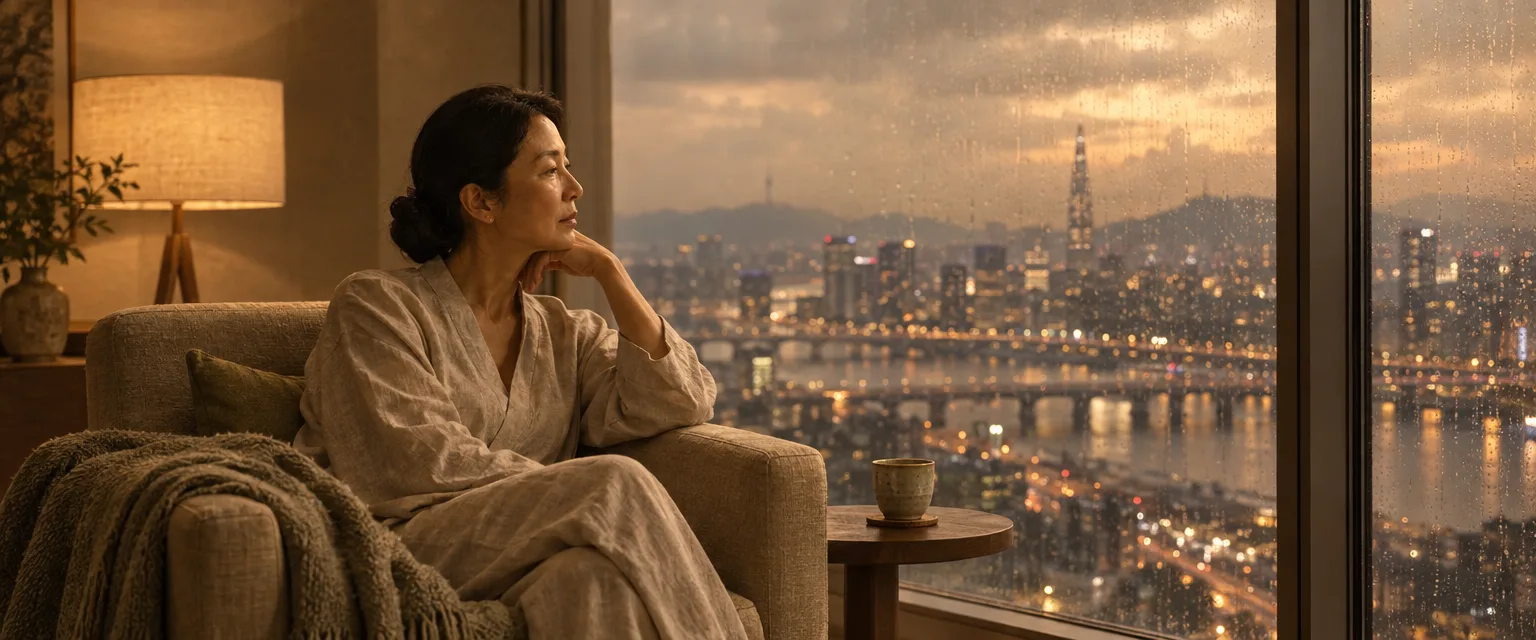
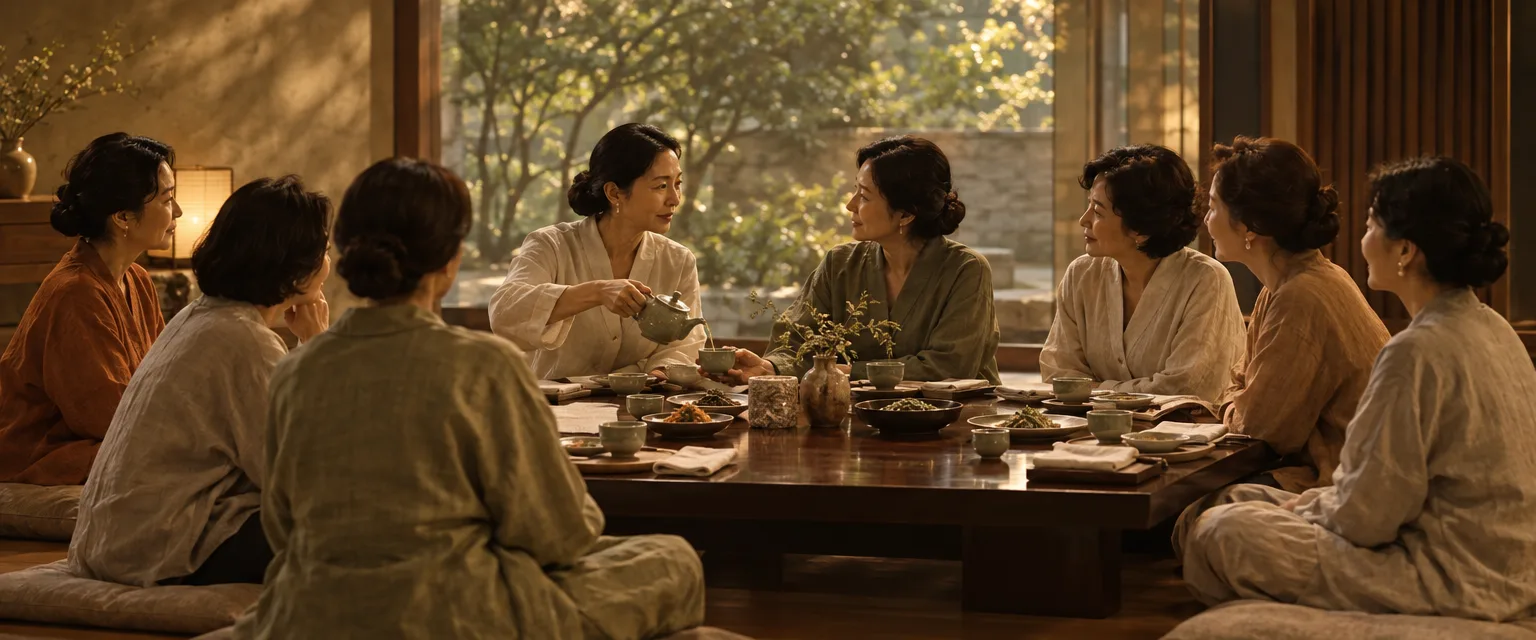
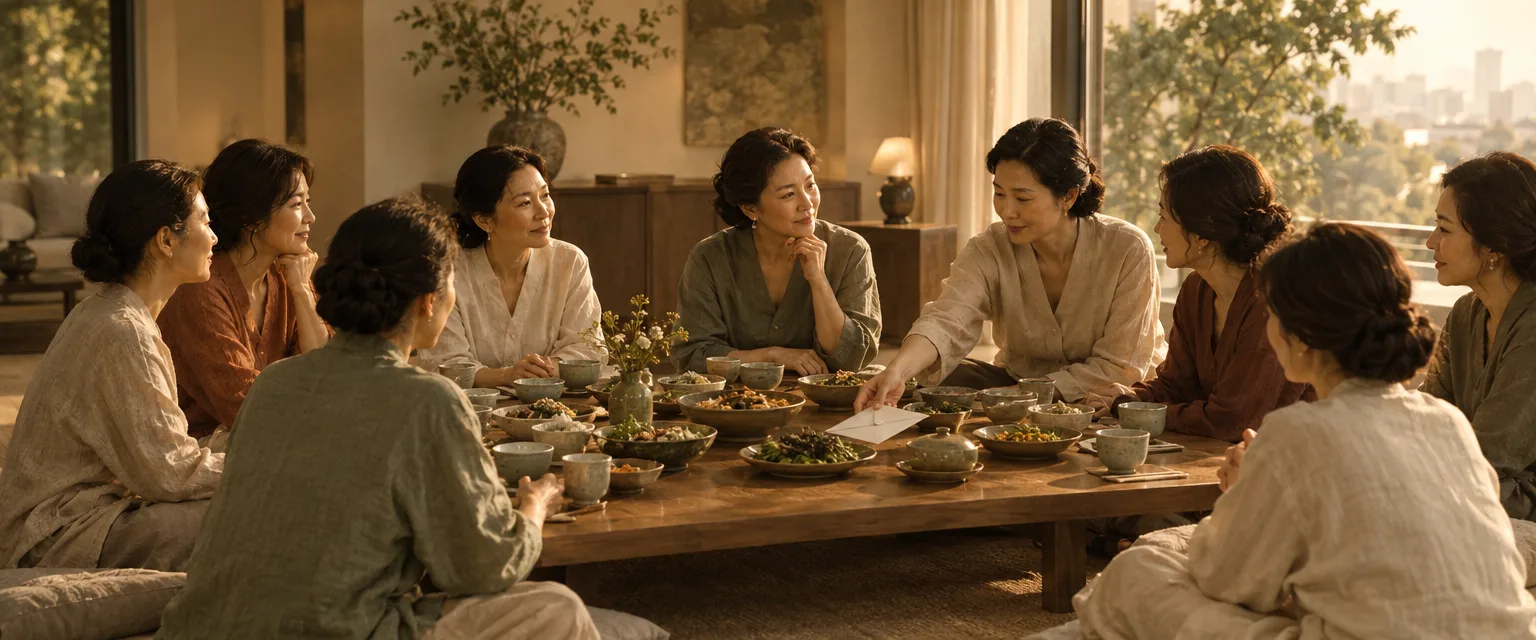
Nunchi: The Ancient Korean Social Skill That Reduces Stress and May Help You Live Longer
Nunchi is the Korean social intelligence that allows you to sense what others are thinking and feeling, without a word being spoken. It is not a soft skill. It is a longevity practice.
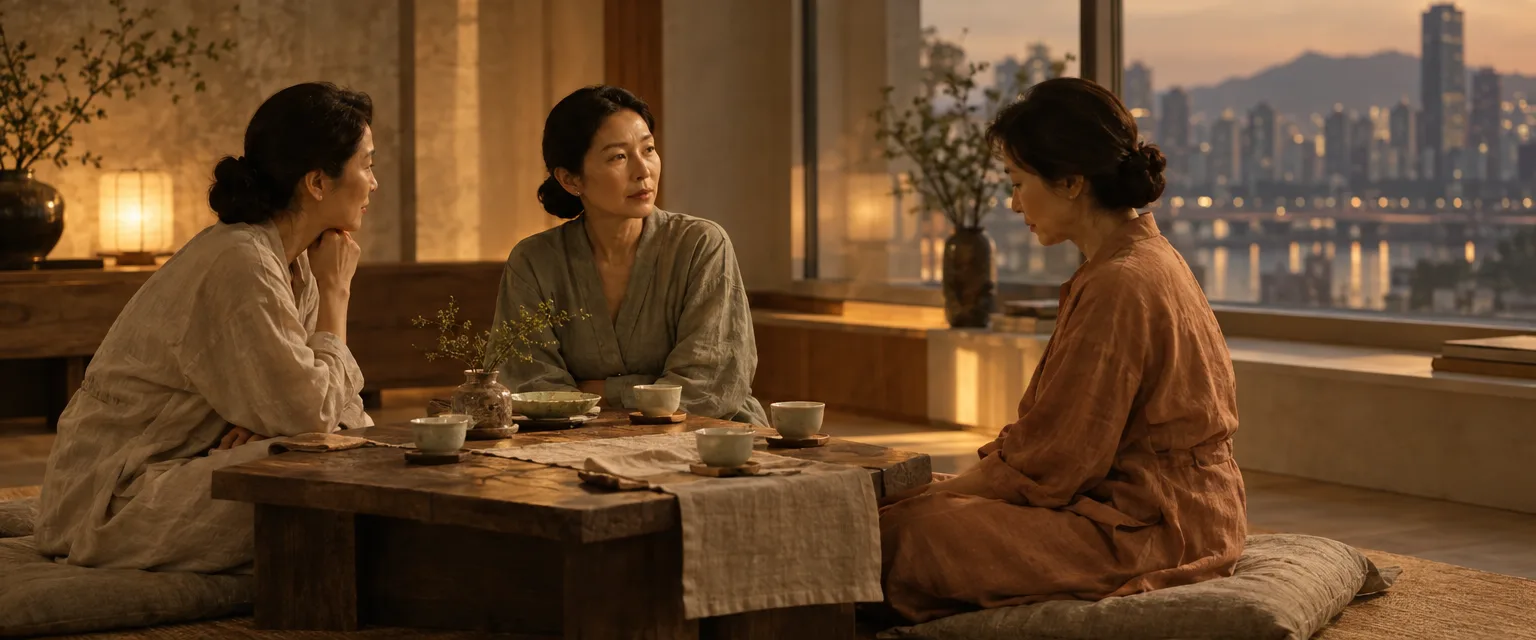
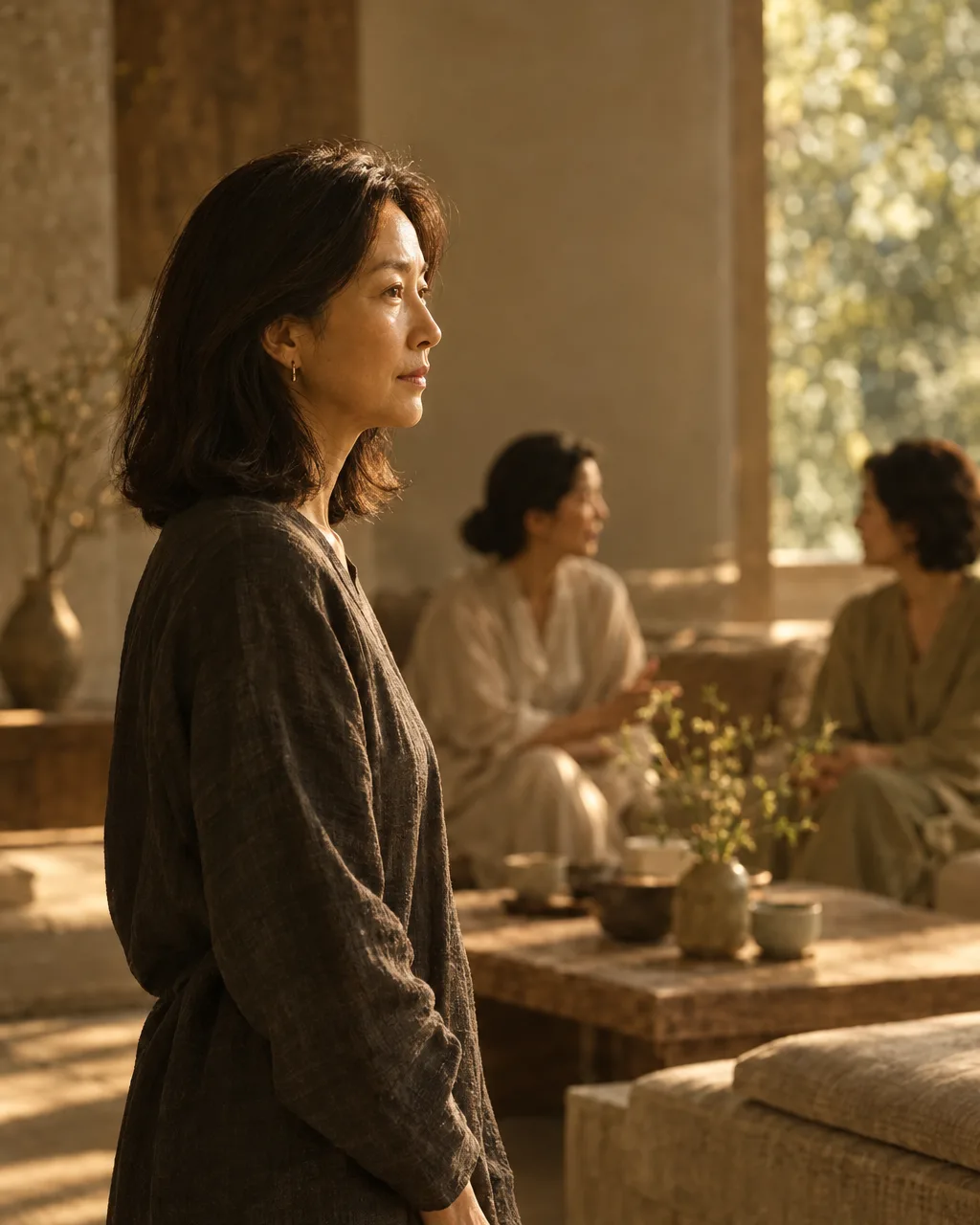
In Korean culture, there is a word for the ability to read a room, sense the unspoken dynamics, and respond with precision: nunchi (눈치). Roughly translated, it means "eye-measure," the capacity to gauge a situation through observation rather than interrogation.
Every Korean child grows up hearing the phrase nunchi bbareuda, "your nunchi is fast," as one of the highest social compliments. It means: you understand what is happening beneath the surface.
Why This Matters for Longevity
The connection between social intelligence and health outcomes is well-documented. A 2010 meta-analysis in PLOS Medicine, analyzing data from over 300,000 participants, found that strong social relationships increase the likelihood of survival by 50%.
But relationships are not just about quantity. They are about quality. And quality requires attunement: the ability to sense what others need, to avoid unnecessary conflict, and to create environments of psychological safety.
Nunchi is, in essence, the practice of relational attunement. It reduces friction. It deepens trust. It creates the kind of social bonds, what Koreans call jeong (정), that sustain communities across generations.
What Nunchi Looks Like in Practice
Nunchi is not mind-reading. It is disciplined observation:
- Entering a room quietly and observing the mood before speaking
- Noticing what is not being said: the hesitation, the change in tone, the averted gaze
- Adjusting your energy to match or gently shift the room's dynamic
- Listening more than you speak, especially in unfamiliar settings
This is the opposite of the American cultural norm that rewards the loudest voice and the fastest opinion.
Practicing Nunchi in Daily Life
You do not need to be Korean to develop nunchi. You need to practice three things:
- Pause before you speak. In any social setting, observe for thirty seconds before contributing. What is the temperature of the room?
- Watch for patterns. Who is tense? Who is comfortable? What topics create energy and which ones create withdrawal?
- Respond to what you observe, not just what you hear. If someone says they are fine but their posture says otherwise, trust the posture.
Nunchi is not about being passive. It is about being precise.
In a culture that often equates loudness with confidence, nunchi offers a different model: the quiet authority of someone who understands what is actually happening.
Elle's Edit: Calm the Nervous System to Sharpen the Mind
Nunchi requires a regulated nervous system. Chronic stress narrows our perception and makes genuine attunement nearly impossible. These two tools support the foundation that nunchi requires.
If you're ready to invest:
TRU NIAGEN NAD+ Supplement. NAD+ (nicotinamide riboside) is one of the most researched longevity compounds of the last decade, directly linked to cellular energy, nervous system resilience, and healthy aging at the mitochondrial level. This is the supplement class that Korean longevity clinics and forward-thinking wellness physicians increasingly recommend for women in midlife, supporting the energy and cognitive clarity that makes practices like nunchi not just possible, but natural.
If you're starting the practice:
Leuchtturm1917 Hardcover Journal. In Korean wellness culture, the practice of gibun, tending to your emotional state with intention, is as important as physical care. A dedicated journal for daily reflection is the simplest, most accessible tool for developing the self-awareness that nunchi requires. Notice what you observed today. What did someone's posture tell you that their words didn't? This practice, done quietly each evening, builds the attunement muscle that makes nunchi feel effortless over time. Available on Amazon in a range of colors.
Shop Leuchtturm1917 Journal on Amazon →
Disclosure: As an affiliate partner, Seoul Style Edit may earn from qualifying purchases. We only feature products that align with our focus on wellness, longevity, design, and quality, researched products we genuinely believe are worth exploring.
Filed under 마음Mind & Community