What Kimchi Actually Does to Your Gut: The Science Behind Korea's Most Powerful Longevity Food
Kimchi is not a condiment. It is a living ecosystem of Lactobacillus bacteria, and decades of research suggest it may be one of the most powerful gut health interventions available.
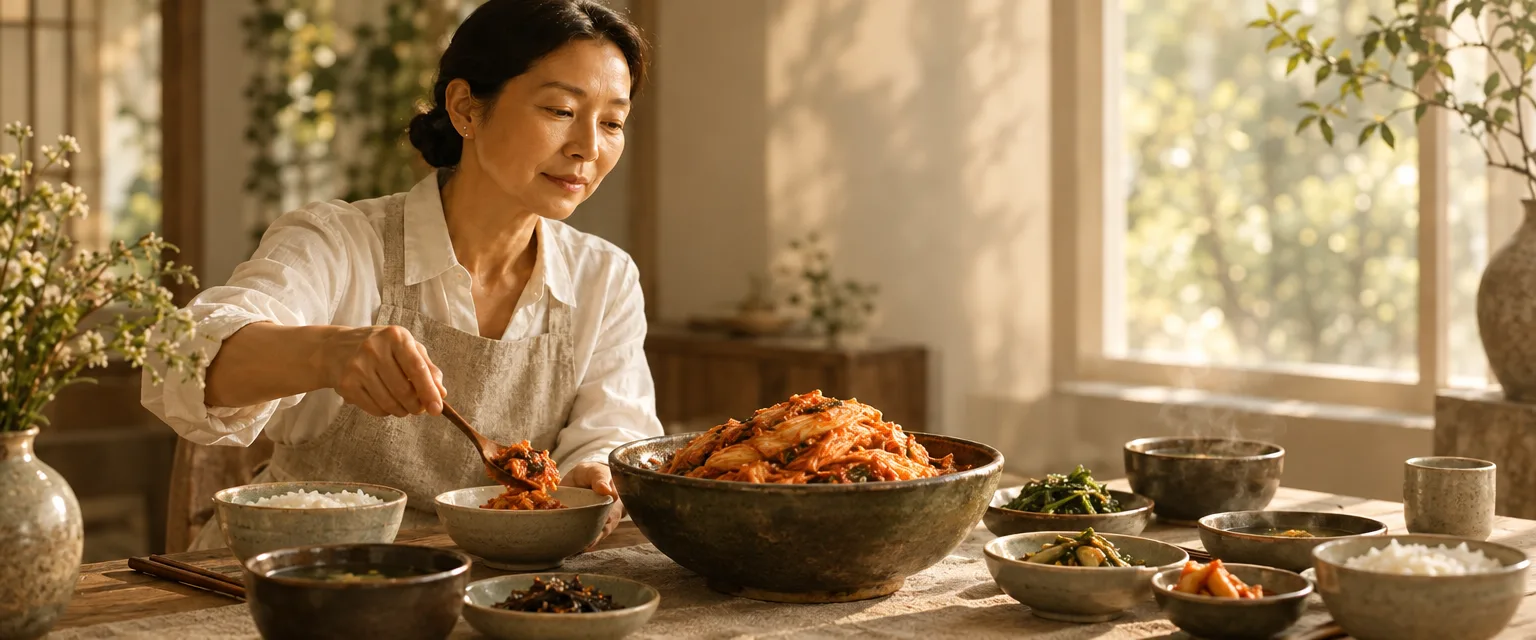
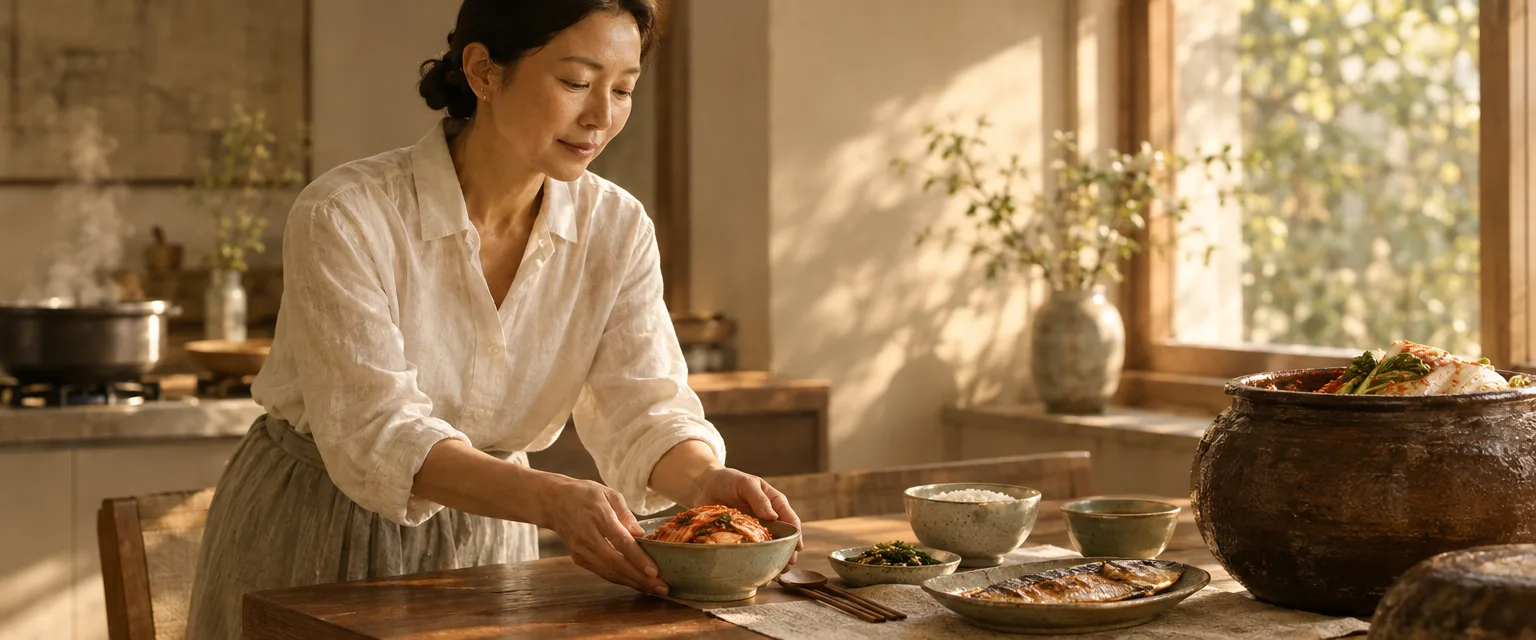
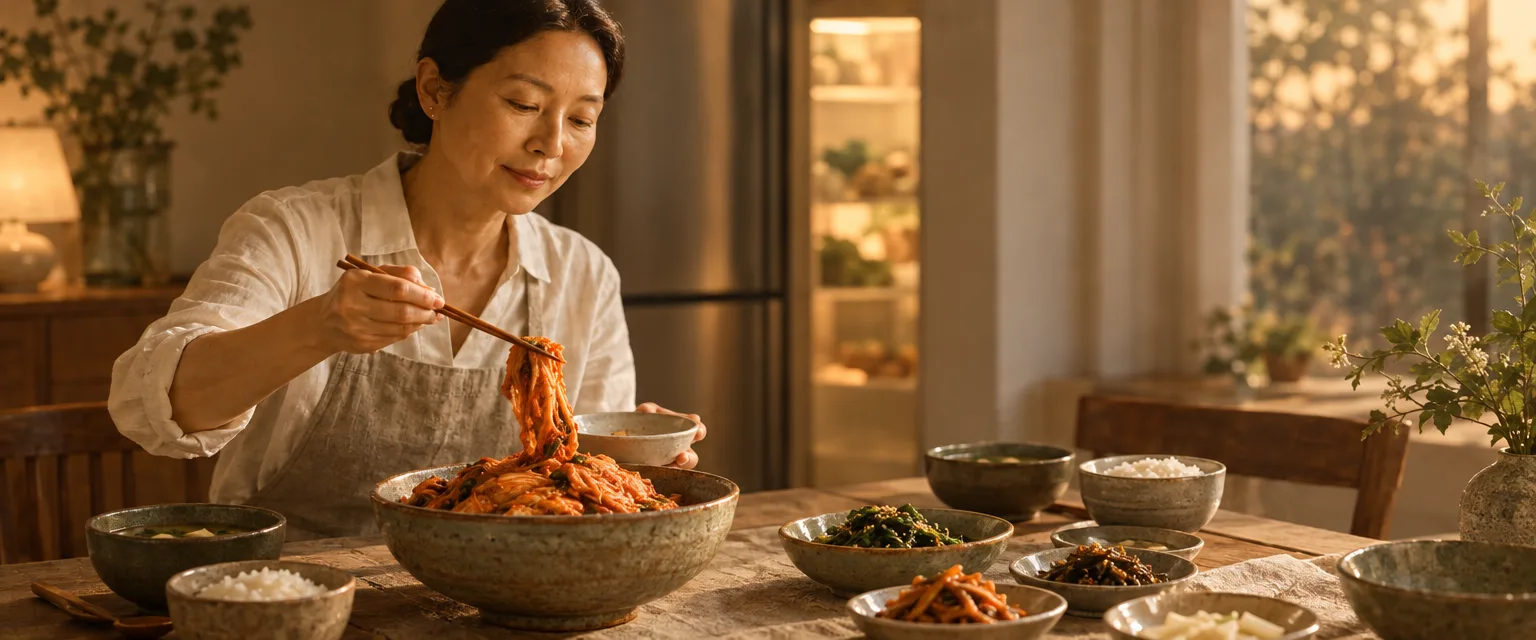
Every Korean meal includes kimchi. Not as a side dish in the Western sense, not optional, not decorative, but as a foundational element. This is not tradition for tradition's sake. It is applied microbiology, practiced at the dinner table.
What Happens During Fermentation
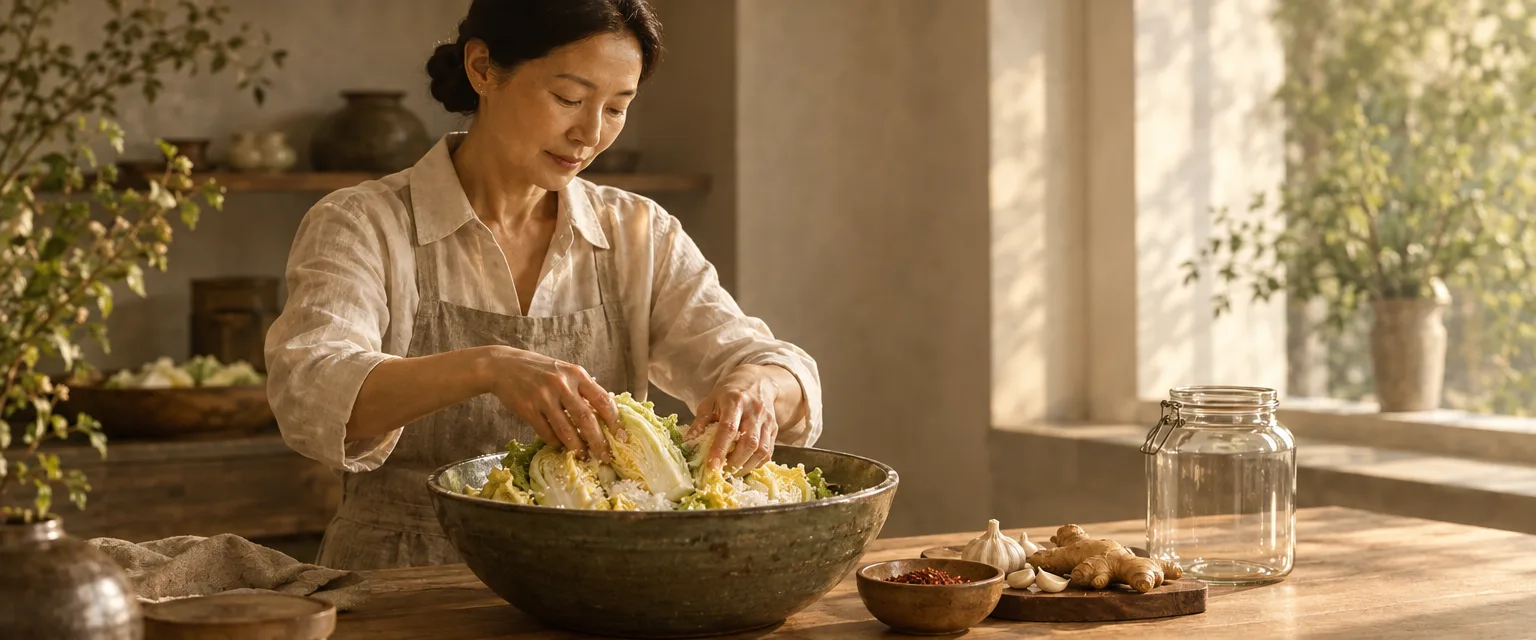
When napa cabbage is salted, seasoned, and sealed, something remarkable begins. Lactobacillus bacteria, the same genus found in yogurt and probiotic supplements, proliferate rapidly. They convert sugars into lactic acid, dropping the pH and creating an environment hostile to harmful bacteria.
The result is a food that is simultaneously:
- Probiotic: rich in live beneficial bacteria
- Prebiotic: the fiber in cabbage feeds those bacteria
- Nutrient-dense: fermentation increases bioavailability of vitamins B and K
A 2014 study in the Journal of Medicinal Food found that regular kimchi consumption was associated with reduced markers of inflammation and improved lipid profiles.
The Korean Approach to Fermented Foods
Kimchi is just the beginning. Korean cuisine includes an entire ecosystem of fermented staples:
- Doenjang (fermented soybean paste), rich in isoflavones and amino acids
- Ganjang (fermented soy sauce), deeper and more complex than commercial soy sauce
- Makgeolli (fermented rice wine), contains live Lactobacillus and dietary fiber
- Jeotgal (fermented seafood), a concentrated source of umami and probiotics
Each plays a distinct role. Together, they create a dietary pattern where fermented foods appear at every meal, across every season.
Starting Your Own Practice
You do not need to make kimchi from scratch on your first attempt. Begin with what is accessible:
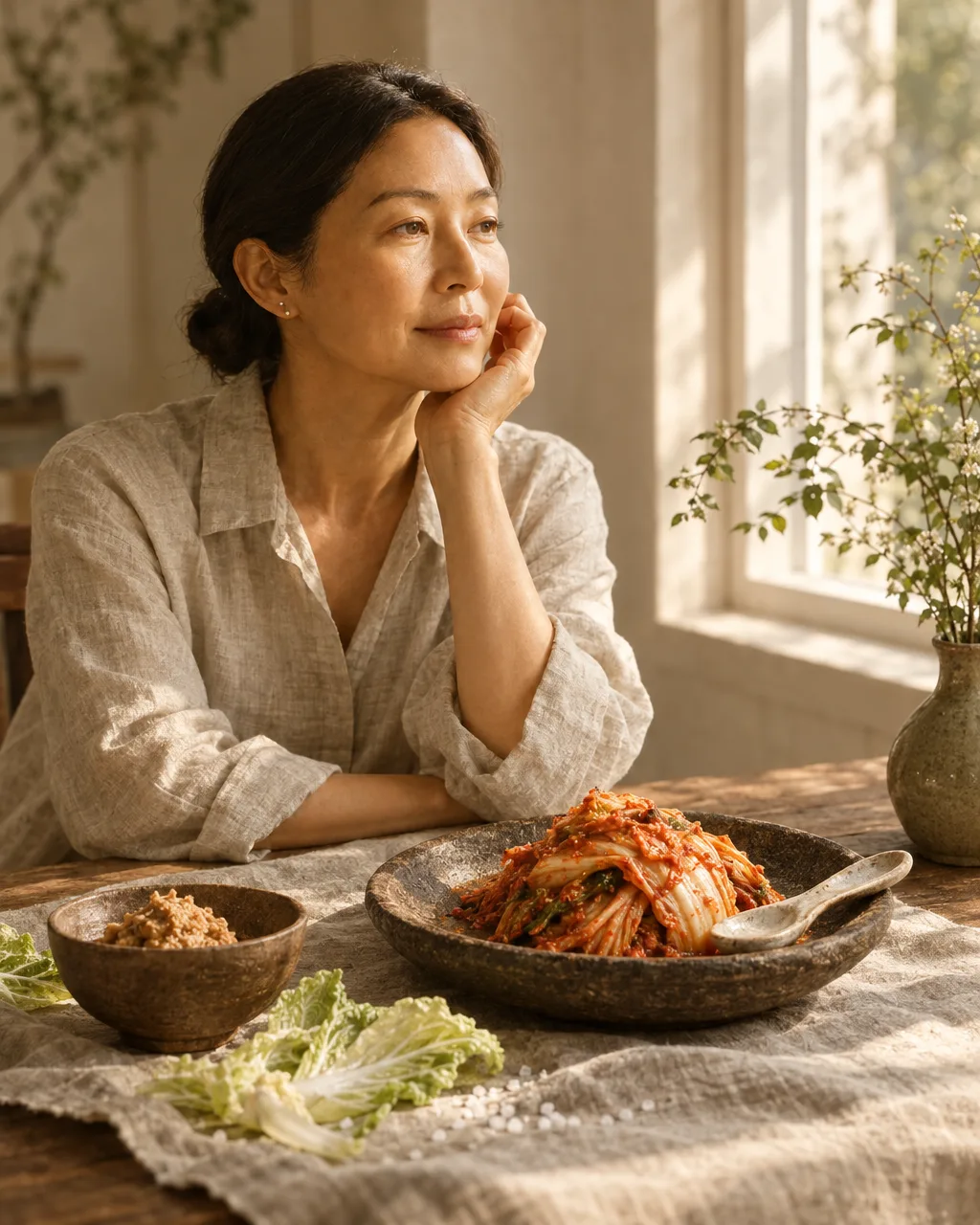
- Buy a quality kimchi from a Korean grocery. Look for refrigerated, not shelf-stable, you want live cultures.
- Eat a small portion daily. Consistency matters more than quantity. Two tablespoons with a meal is enough.
- Expand gradually. Try doenjang in soups. Use ganjang in dressings. Let your palate and your microbiome adapt.
약식동원. Yaksikdongwon: food and medicine come from the same source.
This is not a supplement regimen. It is a philosophy. And it has sustained one of the world's longest-lived populations for centuries.
Elle's Edit: Support Your Gut From Two Directions
Korean women nourish their microbiome through food first, and support it further with targeted supplements when needed. Here is how to do both.
If you're ready to invest:
Seed DS-01 Daily Synbiotic. A clinically studied prebiotic and probiotic formulation with 24 strains, designed to support gut lining integrity, digestive health, and immune function. This is the supplement that closes the gap between the Korean fermented food philosophy and modern gut science. Taken daily alongside fermented foods, it supports the microbiome with a precision that diet alone cannot always achieve.
If you're starting the practice:
TEAZEN Korean Kombucha Powder. A beautifully simple Korean fermented drink in convenient daily packets. TEAZEN is a beloved Korean wellness brand and their kombucha powder is what many Korean women reach for when they want fermented culture support on the go, no refrigeration, no preparation, just a probiotic-rich drink you can make anywhere. An elegant entry point into daily Korean fermented food practice.
Shop TEAZEN Kombucha on Amazon →
Disclosure: As an affiliate partner, Seoul Style Edit may earn from qualifying purchases. We only feature products that align with our focus on wellness, longevity, design, and quality, researched products we genuinely believe are worth exploring.
Filed under 발효Food & Fermentation