Korean Daily Drink Ritual: Barley Tea, Ginseng and the Habits That Support Glowing Skin and Energy After 40
What if the most underrated thing you could do for your skin, your energy, and your digestion this week cost less than a coffee and took thirty seconds to prepare? Korean daily drink culture has an answer that has been hiding in plain sight for centuries.
What if the most underrated thing you could do for your skin, your energy, and your digestion this week cost less than a coffee and took thirty seconds to prepare?
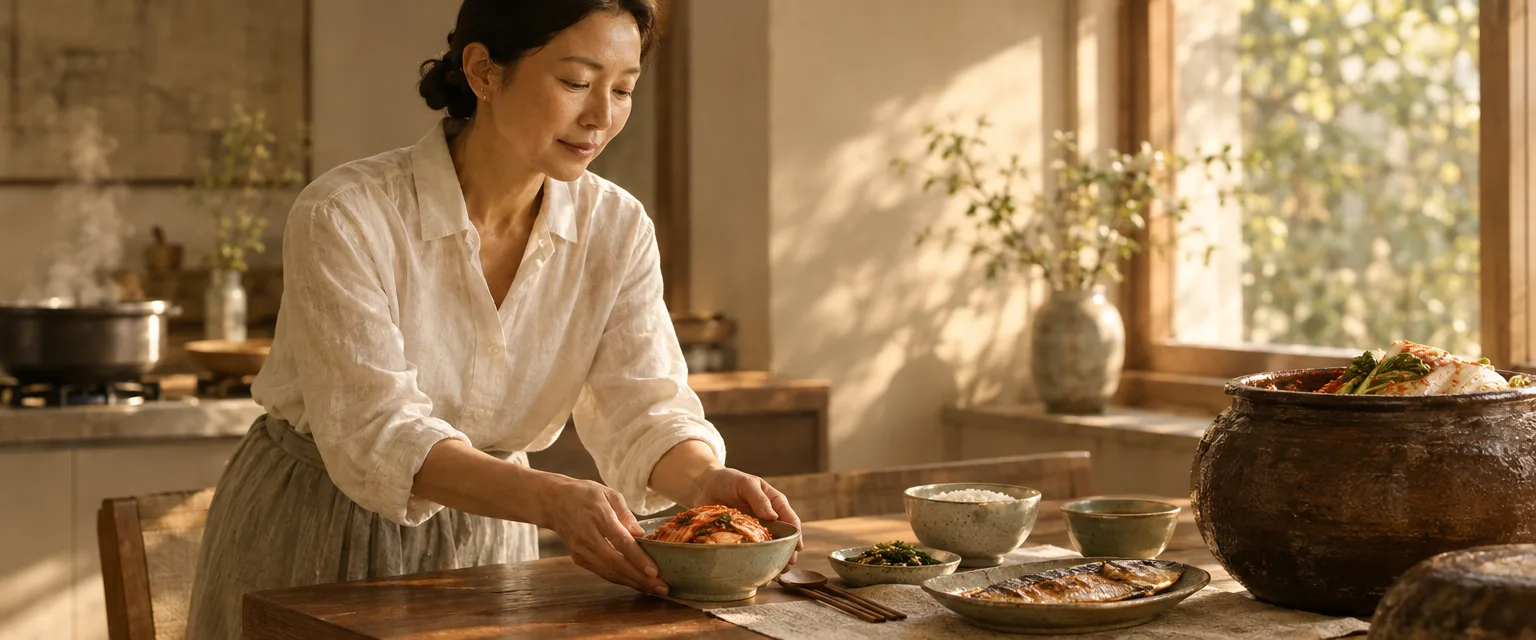
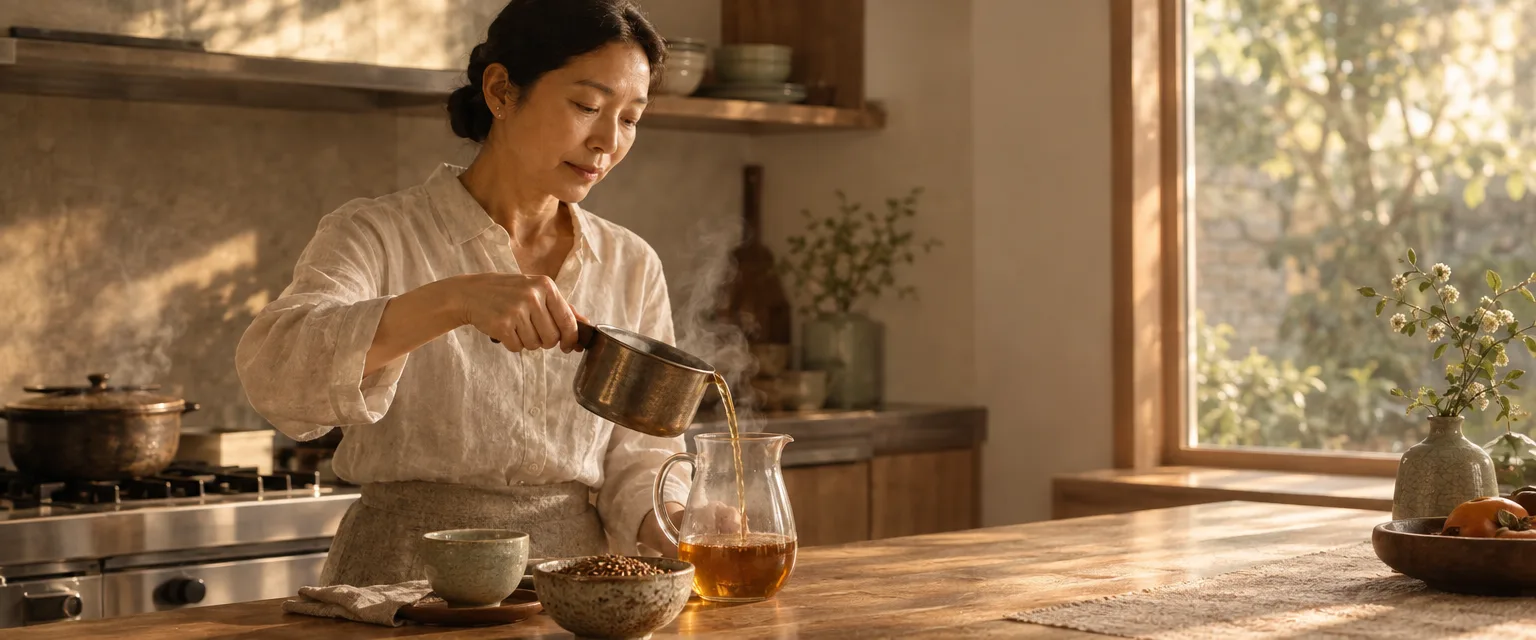
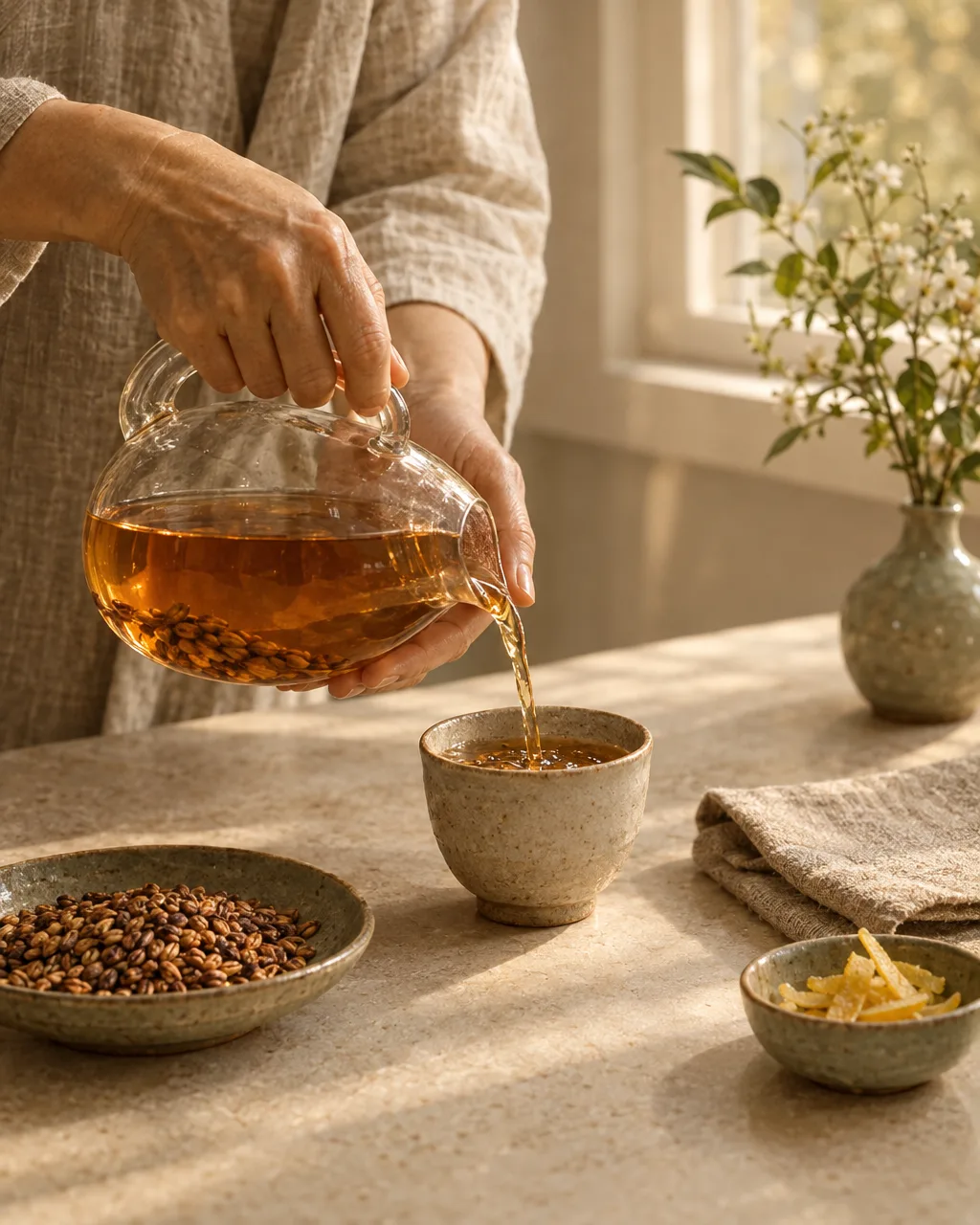
Here is a small but genuinely lovely thing about Korean wellness culture: the ritual of what you drink. Not in a complicated, twelve-step morning routine kind of way. In the warmest, most everyday kind of way, a pot of roasted barley tea on the stove, a cup of citron tea on a cold afternoon, a ginseng drink that your grandmother swore by and your mother kept in the cupboard and now you find yourself reaching for too.
In many Korean households, these herbal infusions are simply part of the rhythm of the day. Barley tea, nutty, toasty, and deeply comforting, is so common it is often served in restaurants instead of water. Citron tea brings a gentle brightness and is beloved for digestion. Ginseng, one of Korea's most celebrated botanicals, has been used for centuries to support energy, balance, and vitality. And here is the thing that struck me most when I went deep on this: it is not just what they drink, it is the quiet intentionality of how they drink it.
"Small daily rituals are medicine. Not dramatic interventions. Not expensive supplements. Just warm, nourishing drinks, taken consistently, as part of a life well lived."
What these drinks share is an association with something Western wellness culture often overlooks: the idea that small, daily rituals are medicine. Not dramatic interventions. Not expensive supplements. Just warm, nourishing drinks, taken consistently, as part of a life lived with genuine care for the body.
There is also something worth noting about hydration itself. Proper daily hydration, especially as we move through our 40s and beyond, is one of the most underrated contributors to skin health, energy, and cognitive clarity. Korean drink culture makes staying hydrated something to actually look forward to. That is not a small thing.
I have started keeping barley tea in my fridge as a cold drink, and I genuinely look forward to it every day. It is a tiny thing. But tiny things, done daily, are exactly how Korean longevity works.
Elle's Edit: Start Your Korean Drink Ritual
Three products to begin the practice today. All are what Korean households actually keep on hand.
My daily favorite:
Dongsuh Roasted Barley Tea (Boricha). This is the barley tea I drink every single day. Dongsuh is one of Korea's best known tea brands, and their roasted barley tea is exactly the nutty, toasty drink you will find in Korean homes and restaurants. Brew a pot, let it cool, and keep it in a jug in the fridge. It is the easiest Korean ritual there is, and the one I would start with.
Shop Dongsuh Barley Tea on Amazon
If you are ready to invest:
Jung Kwan Jang Korean Red Ginseng Extract. Jung Kwan Jang is Korea's most trusted ginseng brand, with over 120 years of heritage. Their concentrated red ginseng extract is what health-conscious Korean women reach for when they want something clinical-grade and genuinely effective. A small daily amount supports energy, immunity, and vitality in a way that feels noticeably different from other supplements. This is Korean preventative wellness at its most authentic.
Shop Jung Kwan Jang Red Ginseng on Amazon
If you are starting the practice:
Damtuh Misugaru Korean Black Grain Powder. A traditional Korean multigrain drink blend that is nutty, warming, and genuinely delicious stirred into warm water or milk. Damtuh is a beloved Korean wellness brand, and this is one of their most popular daily drink products. A beautiful and easy way to bring Korean drink ritual into your morning routine without any complexity whatsoever.
Shop Damtuh Misugaru on Amazon
This Week's Seoul Ritual: Find roasted barley tea, available online and in most Asian grocery stores, often labelled mugicha or boricha. Brew a pot, let it cool, and keep it in a jug in the fridge. Drink it cold instead of plain water for five days. Notice how it changes the small pleasure of simply staying hydrated.
Next on Seoul Style Edit: The ancient Korean bathhouse tradition that women swear by for recovery, calm, and skin that glows, and how to bring its most powerful principles into your own home this weekend.
Disclosure: As an affiliate partner, Seoul Style Edit may earn from qualifying purchases. We only feature products that align with our focus on wellness, longevity, design, and quality.
Filed under 발효Food & Fermentation