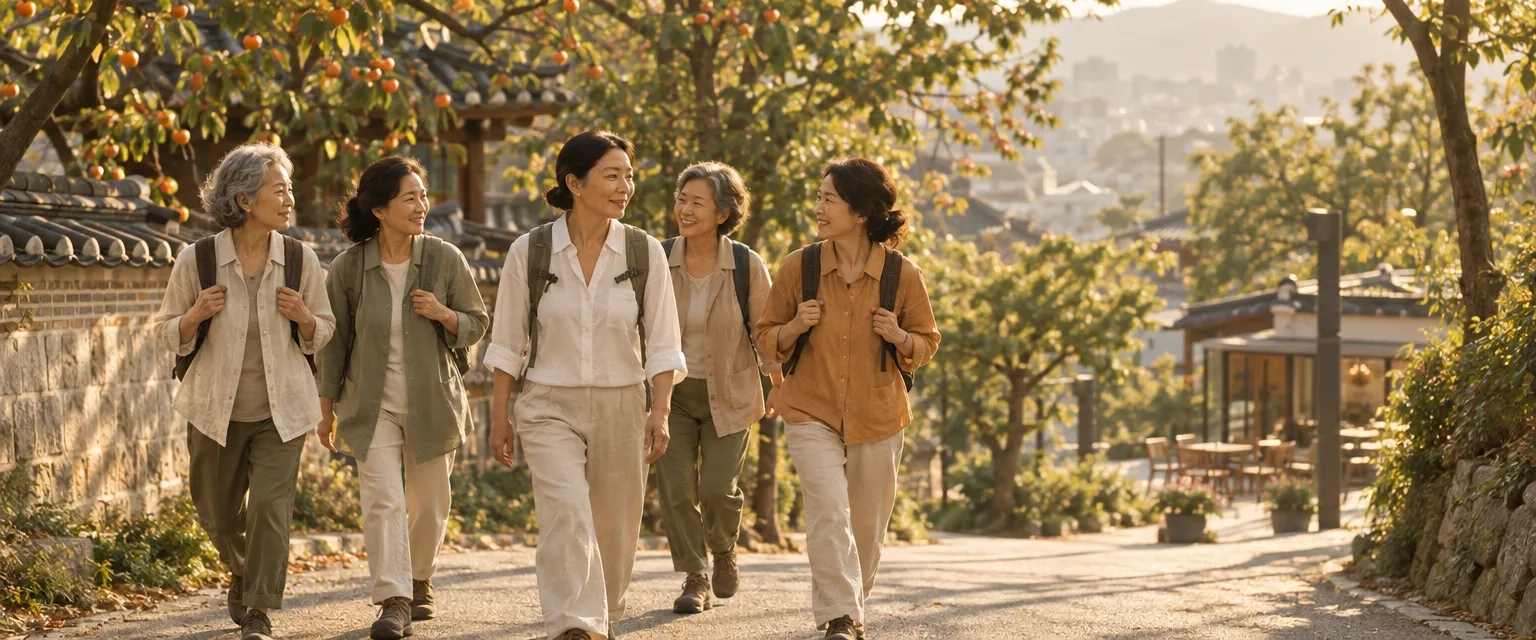
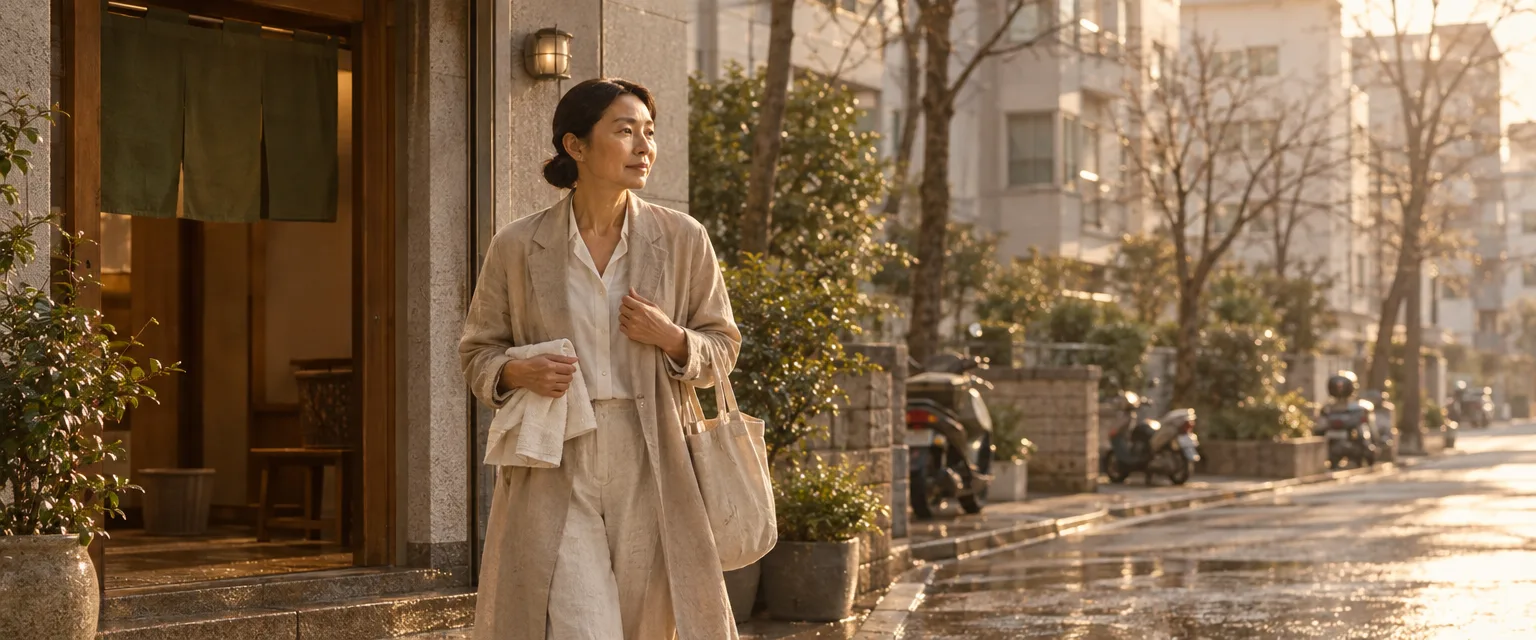
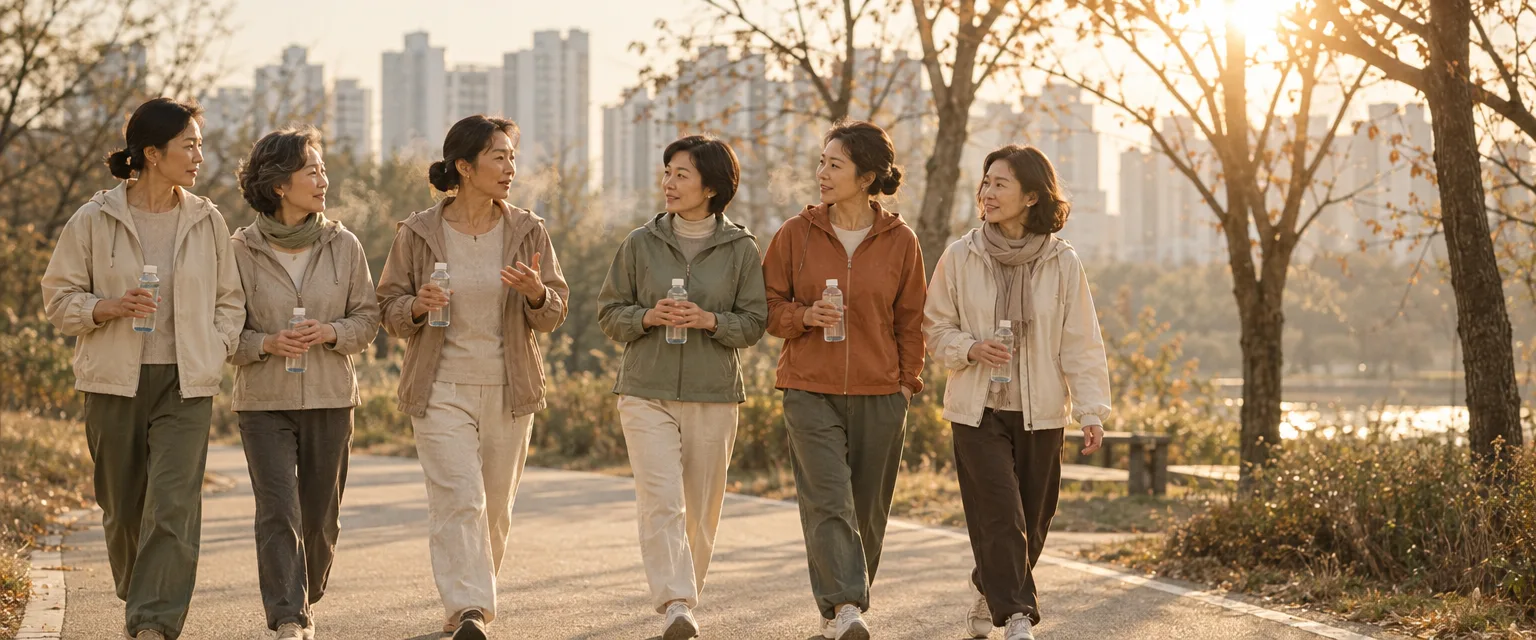
The connective thread: nothing in Korean longevity is accidental. Every practice is designed, intentional, and directed toward a longer, more considered life.
Why the timing of preventive habits matters as much as the habits themselves: Korea's documented health-screening system, the 1990 and 2024 studies proving it's never too late to build strength, and a realistic way to start.
Many Western women arrive at their 50s without a plan for what comes next. Korean culture offers a different model — one built on continued engagement, structured contribution, and the quiet conviction that the second half of life deserves as much design as the first.
Korean traditional thought has a word for the imbalance that drives chronic depletion: too much Yang, not enough Eum. Contemporary stress research calls it the same thing in different language. Here is how to design a week that actually restores you — and why that is one of the most underrated longevity strategies available.
Purpose is not a personality trait. It is a measurable health variable — one that Korean women over 40 have long treated as seriously as diet or exercise. Here is the clinical evidence, the Korean model, and a four-part audit to apply it to your own life.
14 min read
The weekly letter
Stay in the edit
A weekly letter on the science-backed longevity practices of South Korea, and how to bring them into your daily life.
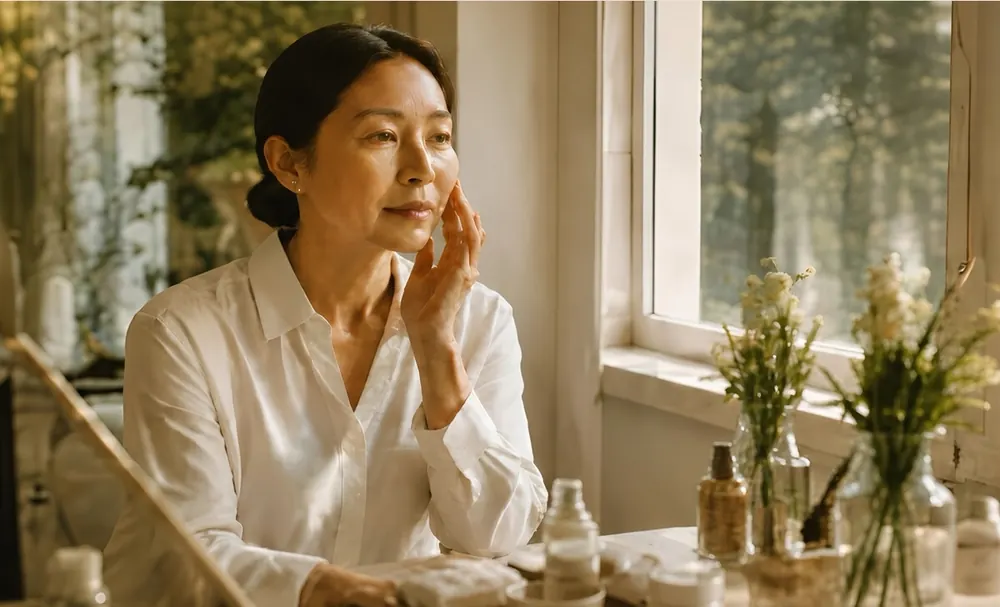
 의도Purposeful Living